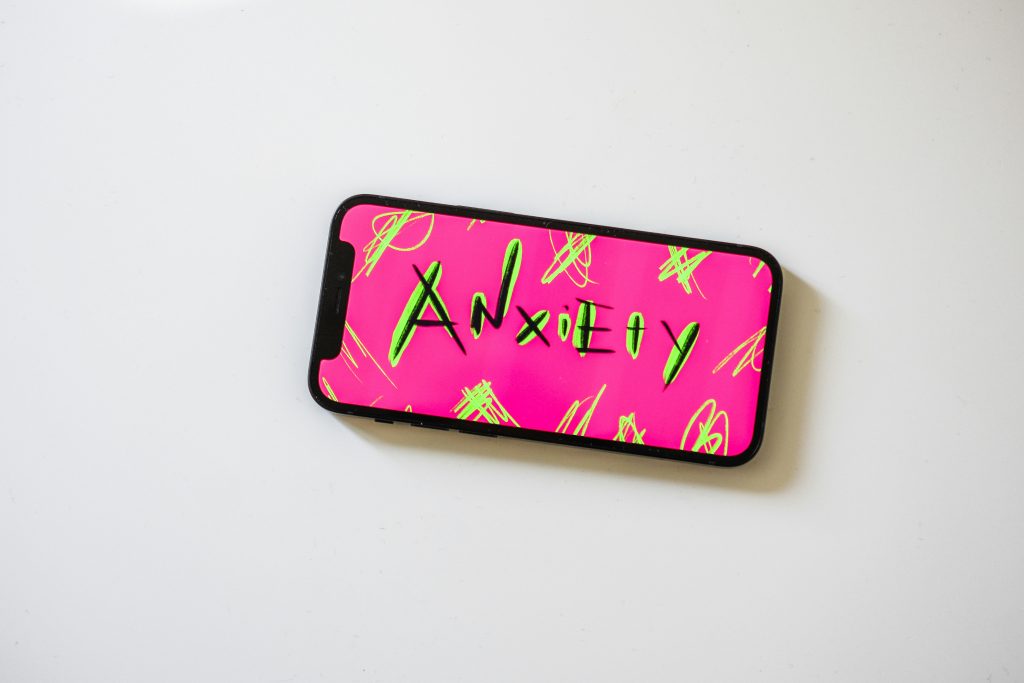
There is an old, persistent psychological truth: that which I resist, persists; that which I embrace, dissolves.
When anxiety strikes, the instinct is to push back, to brace against the current, or to pretend it isn’t taking up space. Yet avoidance only feeds the tension. It demands constant vigilance, building a wall that keeps us trapped inside the very sensation we are trying to escape.
A quiet shift occurs when we stop fighting the feeling and instead change the way we speak about it. Simply referring to it as “the anxiety” rather than “my anxiety” creates an immediate, essential boundary. The subtle change in language acts as a powerful cognitive reframe; it separates our core identity from the passing emotion. It reminds us that anxiety is not a permanent character trait or an intrinsic part of who we are, but rather a temporary visitor passing through our consciousness.
Once that space is opened, we can begin to look at the feeling with curiosity rather than fear. Anxiety rarely exists in a vacuum; it is almost always covering up an unmet need. It is a protective alarm system, albeit a hyperactive one, signaling that something beneath the surface requires attention, comfort, or safety.
When we admit its presence without judgment, the grip loosens. Admission creates room in our consciousness to hold the experience gently. By moving from avoidance to acceptance, we no longer view anxiety as a threat to be conquered, but simply as another point of view, another ordinary human experience to be felt, understood, and ultimately released.
— James Burge
Author of The Shape of Ordinary